Small galaxies are losing 90% of the oxygen their stars create
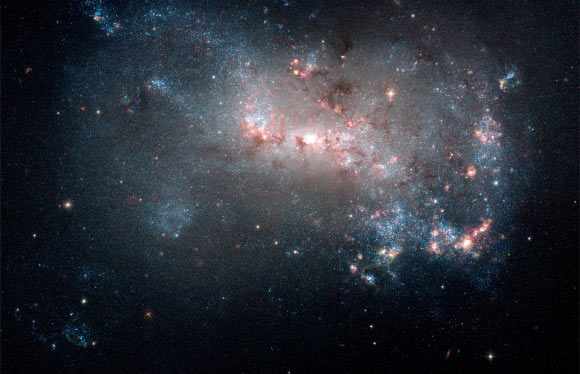
Where did the oxygen go?
Astronomers using the Hubble Space Telescope have discovered that small, gas-rich dwarf galaxies are missing most of the oxygen produced by their stars. On average, these galaxies hold onto only 11% of the oxygen they create. The rest appears to be blown out into the vast space between galaxies.
The power of exploding stars
Stars create oxygen as they live and die. When massive stars end their lives in violent supernova explosions, they release massive amounts of energy. This energy acts like a powerful wind, pushing gas and oxygen out of the galaxy and into the surrounding space.
Why it matters
By studying 37 nearby dwarf galaxies, researchers found that smaller, isolated galaxies are the most efficient at losing their oxygen. Galaxies located near larger neighbors sometimes show different results, possibly because they "recycle" gas or pull in enriched material from their surroundings.
This study helps scientists understand how galaxies grow and how they "pollute" the intergalactic medium—the thin, invisible gas that fills the space between galaxies. By tracking oxygen, astronomers can better map the life cycle of matter across the universe.